
Frame Bee Removal - Shaking & Brushing Methods


Efficient bee removal from honey frames is essential for clean harvest, bee welfare, and smooth extraction. These proven techniques work well with Primal Bee frames and help minimize stress on colonies that are often larger and more productive than those in traditional hives.
Why Proper Bee Removal Matters
Good bee removal technique results in:
- Cleaner honey with minimal debris
- Fewer injured or killed bees
- Faster harvest and extraction
- Lower colony stress after harvest
- Reduced robbing pressure
Poor technique often creates more problems than it solves. Crushed bees release alarm pheromone, which escalates defensiveness, slows your work, and makes subsequent frames harder to clear.
Timing for Optimal Bee Removal
Best Times for Easy Removal
Weather conditions:
- Warm and sunny (70–75°F or higher)
- Light breeze is helpful
- Avoid rain, storms, or heavy overcast
Colony activity:
- Mid-morning to early afternoon, when field bees are out
- Avoid early morning when most bees are home
- Avoid nectar dearth if possible, as colonies defend more aggressively
Strong Primal Bee colonies recover quickly from brief disturbance, but timing still matters — working when fewer bees are present reduces stress for everyone involved.
Shaking Method
When Shaking Works Best
Shaking is ideal when:
- Colonies are strong and populous
- Weather is warm enough for bees to fly back immediately
- Frames have established, durable comb
Avoid shaking:
- Very new or fragile comb
- Frames heavy enough to flex under force
- Frames dominated by newly emerged bees that cannot fly
In Primal Bee hives, shaking is often the most efficient method because populations are large and bees are quick to reorient and return to the nest.
Proper Shaking Technique
Step-by-step:
- Hold the frame firmly by both ends of the top bar
- Position it 6–12 inches above the hive opening or empty super
- Give one sharp, decisive downward shake
- Follow immediately with an upward snap to stop motion
- Brush off remaining bees only if needed
The effectiveness comes from decisiveness, not force. Hesitant shaking rarely works and often requires multiple attempts, increasing stress on bees and comb.
Key details:
- Grip wood, never comb
- One or two shakes is usually enough
- Always shake over the hive, not the ground
- If bees cling after two shakes, switch to brushing
Primal Bee frames are structurally robust, but foundation type still determines how much force is appropriate.
Shaking Different Frame Types
- New foundation: Minimal force or brush instead
- Established comb: Handles standard shaking well
- Older, thicker comb: Most forgiving
If comb movement feels “soft” in your hands, brushing is the better choice.
Brushing Method
When Brushing Is Preferred
Brushing works best when:
- Comb is new or delicate
- Weather is cooler
- Bees are tightly clustered and reluctant to fly
- You want especially clean frames
Brushing is slower than shaking but offers more control and is often easier on fragile comb.
Proper Brushing Technique
Equipment:
- Soft-bristled bee brush (horsehair preferred)
- Clean brush between hives to reduce disease spread
Technique:
- Start at the top bar
- Use long, gentle strokes downward
- Brush both sides systematically
- Work directly over the hive
The goal is to guide bees, not sweep them aggressively. Bees that fall into the hive rejoin the colony almost immediately.
Advanced Brushing Tips
- Some bees cling tightly — especially young bees
- Gentle nudging with the brush handle can help
- Don’t force bees that appear “stuck” in cells
- A few remaining bees are not a failure — they’ll leave on their own
In hot weather, work efficiently but calmly. Over-brushing often causes more agitation than leaving a few bees behind.
Combining Methods
Using Shaking + Brushing Together
Most efficient approach:
- Shake first to remove the majority of bees
- Brush remaining bees gently
- Inspect corners and deep cells
- Immediately cover cleaned frames
This combination minimizes total handling time, which is one of the biggest factors in keeping colonies calm during harvest.
Alternative Removal Methods
Bee Escape Boards
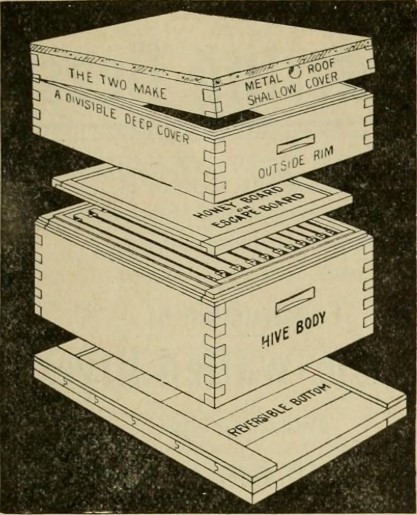
Bee escapes allow bees to leave supers but not return.
How they work:
- Installed 24–48 hours before harvest
- Bees move down into the brood area naturally
Pros: Very clean frames, minimal handling
Cons: Requires advance planning, extra equipment
In Primal Bee hives, escape boards are often unnecessary unless working very defensive colonies or large-scale harvests. Most keepers find shaking and brushing faster and simpler.
Fume Boards & Repellents
Chemical repellents can drive bees downward, but:
- Misuse can affect honey flavor
- Effectiveness depends heavily on temperature
- Overuse increases colony stress
They’re generally a last resort rather than a primary method.
Special Situations
Dealing with Aggressive Bees
If defensiveness escalates:
- Use smoke sparingly — excess smoke can make things worse
- Slow your movements rather than rushing
- Take a short break and allow bees to settle
- Return another day if conditions are poor
Calm, deliberate motion is more effective than heavy smoke.
Handling the Queen on Frames
If you find the queen on a honey frame:
- Stop immediately
- Do not shake or brush
- Gently guide her back into the brood area
- Never remove her from the hive
Queens occasionally wander into supers, especially in strong colonies without excluders.
Post-Removal Frame Handling
Preventing Re-Infestation
- Place cleared frames immediately into covered containers
- Transport indoors quickly
- Do not leave exposed frames near hives
- Keep honey sealed to prevent robbing
Strong colonies will attempt to reclaim exposed honey rapidly.
Quality Control
Before extraction:
- Confirm no bees remain on frames
- Remove debris or foreign material
- Inspect comb integrity
Handle frames carefully to preserve comb for reuse and future harvests.
Final Note
Efficient bee removal is about confidence, timing, and restraint. One clean motion is better than repeated attempts, and minimal handling produces calmer bees. Primal Bee colonies are resilient and recover quickly — your job is simply to stay out of their way as much as possible while doing the work cleanly.
On this Page
- Why Proper Bee Removal Matters
- Timing for Optimal Bee Removal
- Best Times for Easy Removal
- Shaking Method
- When Shaking Works Best
- Proper Shaking Technique
- Shaking Different Frame Types
- Brushing Method
- When Brushing Is Preferred
- Proper Brushing Technique
- Advanced Brushing Tips
- Combining Methods
- Using Shaking + Brushing Together
- Alternative Removal Methods
- Bee Escape Boards
- Fume Boards & Repellents
- Special Situations
- Dealing with Aggressive Bees
- Handling the Queen on Frames
- Post-Removal Frame Handling
- Preventing Re-Infestation
- Quality Control
- Final Note


