
Nosema Control for Primal Bee Hives


Nosema is a common gut parasite in honey bees. Most colonies encounter it at some point, especially after periods of stress like winter confinement, heavy feeding, or other treatments. What determines whether it becomes a problem isn’t exposure alone — it’s stress, moisture, nutrition, and timing.
Primal Bee hives provide real advantages for nosema control. Stable temperatures and improved moisture management reduce many of the conditions that allow nosema to take hold in the first place. This guide focuses on recognizing symptoms early, preventing outbreaks through management, and treating effectively when intervention is warranted.
The goal isn’t elimination. It’s keeping colonies healthy enough that nosema pressure never becomes the limiting factor.
What Is Nosema?
The Basics
- A microscopic parasite that infects the digestive tract of adult bees
- Interferes with digestion and nutrient absorption
- Weakens immune response and shortens bee lifespan
- Two primary species affect honey bees: Nosema apis and Nosema ceranae
How Bees Become Infected
- Ingesting contaminated food or water
- Contact with infected feces inside the hive
- Stress events that weaken immunity
- Damp or poorly ventilated hive conditions
Why It Matters
- Infected bees live shorter lives
- Colonies struggle to build population, especially in spring
- Bees become more vulnerable to other diseases and parasites
- Colonies may fail to thrive despite adequate food stores
Recognizing Nosema Symptoms
Nosema symptoms often overlap with general stress responses. Diagnosis should be pattern-based rather than triggered by a single visual sign.
Nosema symptoms can be subtle. No single sign confirms infection — patterns matter.
Visual Signs Outside the Hive
- Brown or yellow streaking on the front of the hive or entrance
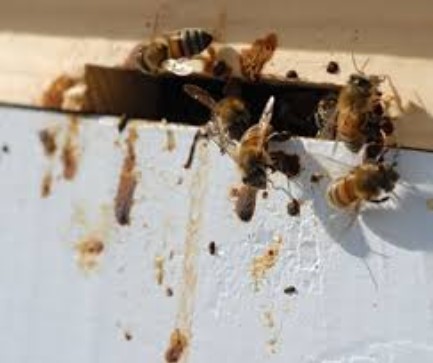
- Dead bees with distended abdomens near the entrance
- Crawling bees unable to fly
- Fecal spotting on landing boards or covers
Signs Inside the Hive
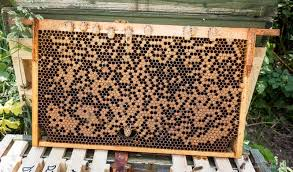
- Reduced adult population despite adequate stores
- Spotty brood patterns with inconsistent development
- Queens laying fewer eggs than expected
- Bees appearing bloated or discolored
Behavioral Indicators
- Sluggish activity on otherwise warm, flyable days
- Poor response to feeding
- Slow or stalled spring buildup
- Elevated adult bee mortality
When Nosema Is Most Likely
High-Risk Periods
- Late winter and early spring (February–April)
- After extended confinement without cleansing flights
- Following stressful events (moving hives, major treatments)
- During cool, wet springs
Environmental Contributors
- Excess moisture around or inside the hive
- Poor drainage at the apiary site
- Contaminated or stagnant water sources
- Overcrowded or poorly configured hives
Prevention Strategies
Prevention is primarily about reducing stress and moisture.
Hive Management for Prevention
Primal Bee advantages:
- Improved moisture control discourages nosema development
- Stable internal temperatures reduce immune stress
- Insulated walls minimize condensation during cold periods
Practical steps:
- Ensure proper drainage
- Elevate hives on stands
- Slope entrances slightly forward
- Eliminate standing water nearby
- Maintain appropriate airflow
- Use entrance reducers to control drafts, not seal the hive
- Keep the feeding hole sealed when not actively feeding
- Allow the hive’s natural airflow design to function
- Provide clean water
- Offer fresh water within reasonable foraging distance
- Change water regularly
- Use shallow containers with safe landing surfaces
- Avoid shared livestock water sources
Nutritional Prevention
Nutrition plays a significant role in nosema susceptibility.
Feeding Practices That Help
- Use only white granulated sugar for syrup
- Prepare syrup fresh; avoid long-term storage
- Clean feeders and jars thoroughly between uses
- Remove fermented or contaminated feed immediately
Feeding During Treatment
- Use thinner syrup (60% sugar / 40% water) when medication is added
- Thinner syrup distributes medication more evenly
- Easier for stressed bees to digest
Treatment Options
Treatment is appropriate when symptoms are clear or infection is confirmed. Not every colony with mild signs requires medication.
Fumagilin-B (Antibiotic Treatment)
Fumagillin does not resolve underlying colony weakness on its own. It suppresses nosema long enough for improved nutrition, space management, and environmental conditions to support recovery.
When to consider use:
- Laboratory-confirmed nosema diagnosis
- Severe or persistent symptoms
- High-risk situations under professional guidance
Application guidelines:
- Mix medication strictly according to label directions
- Use 60/40 syrup for effective distribution
- Feed through the Primal Bee feeding hole using jar feeding
- Monitor consumption to ensure uptake
- Complete the full treatment course
Primal Bee application notes:
- Remove the feeding hole plug during feeding
- Seal around the feeder to maintain thermal integrity
- Replace the plug immediately after treatment concludes
Natural and Supportive Approaches
Natural products may support recovery but should be viewed as adjuncts, not replacements for treatment when infection is severe.
- Thymol-based products (e.g., HiveAlive)
- Commercial bee probiotics designed to support gut health
Research on effectiveness is ongoing. Results vary by region and colony condition.
Treatment Timing and Monitoring
Best Treatment Timing
Fall (September–October)
- Reduces parasite load before winter confinement
- Improves winter survival and spring buildup
- Can be coordinated with fall varroa management
Spring (March–April)
- Addresses infections that developed over winter
- Supports early-season population growth
- Apply before major nectar flows
Monitoring Treatment Effectiveness
Signs treatment is helping:
- Reduced fecal staining
- Improved activity and flight behavior
- Stronger brood patterns
- Increased queen laying
If improvement is limited:
- Confirm diagnosis through laboratory testing
- Evaluate moisture, nutrition, and stress factors
- Consider other underlying health issues
- Consult extension services or veterinarians
Environmental Management
In many cases, improving moisture control and reducing colony stress resolves nosema symptoms without medication.
Reducing Stress Factors
- Maintain year-round moisture control
- Minimize unnecessary inspections during treatment
- Handle colonies gently
- Avoid moving hives during recovery periods
Sanitation Practices
- Clean hive tools between colonies
- Disinfect equipment used on sick hives
- Replace heavily contaminated comb when possible
- Store equipment clean and dry
Apiary hygiene reduces reinfection risk.
Integration With Overall Colony Health
Coordinating Treatments
- Space treatments apart (minimum two weeks unless label allows otherwise)
- Complete nosema treatment before initiating varroa treatments when possible
- Avoid combining medications unless explicitly approved
- Keep detailed health and treatment records
Long-Term Prevention
- Maintain strong colonies through proper space and nutrition
- Replace failing queens promptly
- Favor genetics with demonstrated disease resilience
- Monitor trends over seasons, not just individual events
Regional Considerations
- Northern climates: Extended confinement increases risk; spring monitoring is critical
- Southern climates: Continuous activity shifts risk to moisture and nutrition management
- Wet climates: Extra emphasis on drainage and airflow is essential
Local conditions matter. Use regional extension guidance to fine-tune timing.
The Bottom Line
Nosema is rarely the root cause by itself. It most often appears as a secondary problem that takes advantage of stress, excess moisture, or nutritional gaps.
Nosema is best managed through prevention first, treatment when necessary, and careful follow-up.
Primal Bee hives reduce many of the environmental stresses that allow nosema to spread, but attentive management still matters. Keep colonies dry, well-fed, and minimally stressed. Watch patterns, not single symptoms, and intervene when the colony shows it needs support.
You don’t need to eliminate nosema to maintain strong colonies — you just need to keep conditions favorable for bees and unfavorable for the parasite.
On this Page
- What Is Nosema?
- The Basics
- How Bees Become Infected
- Why It Matters
- Recognizing Nosema Symptoms
- Visual Signs Outside the Hive
- Signs Inside the Hive
- Behavioral Indicators
- When Nosema Is Most Likely
- High-Risk Periods
- Environmental Contributors
- Prevention Strategies
- Hive Management for Prevention
- Nutritional Prevention
- Feeding Practices That Help
- Feeding During Treatment
- Treatment Options
- Fumagilin-B (Antibiotic Treatment)
- Natural and Supportive Approaches
- Treatment Timing and Monitoring
- Best Treatment Timing
- Monitoring Treatment Effectiveness
- Environmental Management
- Reducing Stress Factors
- Sanitation Practices
- Integration With Overall Colony Health
- Coordinating Treatments
- Long-Term Prevention
- Regional Considerations
- The Bottom Line


