
Using Entrance Reducers Effectively


Primal Bee's entrance reducer system allows precise control of hive access while working in coordination with the hive’s thermal efficiency. Proper entrance management supports colony defense, reduces unnecessary heat loss, and helps colonies regulate airflow without disrupting internal stability.
Entrance reducers are access and defense tools, not primary ventilation devices. Their role is to help match the entrance opening to colony strength and seasonal conditions.
Modular Entrance System
Components Included
Each Primal Bee hive includes:
- Two entrance reducers
- Compatibility with standard hive placement and orientation
- Integration with the hive's thermal efficiency design
Configuration Options
The modular system allows for:
- Complete entrance closure (temporary use only - transport or emergency)
- Small entrance openings for weak or rebuilding colonies
- Medium openings for developing colonies
- Large or mostly open entrances for strong colonies
- Custom configurations based on colony behavior and environment
Default recommendation: Most beekeepers use entrance reducers year-round, only removing them if bees show signs of traffic congestion at the entrance.
Entrance Management by Colony Strength
Weak Colony Configuration
Purpose: Reduce defensive load and heat loss while supporting brood stabilization.
Benefits of a small entrance:
- Easier for a small population to defend
- Reduced heat loss through the entrance
- Lower robbing pressure during dearths
- Improved internal climate stability
Recommended setup:
- Use one entrance reducer in the reduced position (holes facing outward) and one in the closed position (solid side facing outward). This leaves a small controlled opening for the colony to defend.
- Monitor traffic to ensure bees can move freely
- Increase entrance size gradually as population grows
Strong Colony Configuration
Purpose: Support high traffic volume, ventilation needs, and foraging efficiency.
Benefits of a larger entrance:
- Unrestricted forager movement during peak activity
- Improved airflow for large populations
- Reduced congestion at the entrance
- Support for internal temperature regulation
Recommended setup:
- Use one entrance reducer in the reduced position, leaving the other entrance fully open. Or remove both entrance reducers entirely if traffic is heavy.
- Adjust based on colony behavior and weather conditions
- Monitor for signs of overheating or congestion
- Remove entrance reducers completely if you see a big buildup of bees trying to get in and out (traffic jam at the entrance)
Seasonal Entrance Management
Spring Entrance Strategy
Early Spring (Rebuilding and Expansion)
- Start with a reduced entrance to conserve heat
- Protect smaller populations from robbing
- Gradually increase entrance size as brood and population expand
- Remove entrance reducers when colony covers six frames
Late Spring (Growth Phase)
- Increase entrance size as forager traffic rises
- Maintain some reduction for defensive control if needed
- Prepare for summer configuration
Summer Entrance Strategy
Peak Season Management
- Use a large or mostly open entrance
- Accommodate heavy forager traffic
- Support evaporative cooling and airflow
- Remove entrance reducers if traffic congestion occurs
- Fully open entrances during heat waves if necessary
- Entrance reducers may be removed temporarily
- Ensure airflow without relying on entrance size alone
Fall Entrance Strategy
Nectar Flow and Dearth Management
- Maintain access during fall nectar flows
- Begin gradual reduction as flows decline
- Reduce entrance size during dearths to limit robbing
Pre-Winter Preparation
- Reduce entrance opening as population contracts
- Maintain ventilation while improving defensibility
- Integrate mouse guards if required
Winter Entrance Strategy
Cold Weather Configuration
For winter: Have one entrance reducer closed (solid side facing outward) and one in the reduced position (holes facing outward). (shown vertically - place the reducers vertically, not horizontally, to avoid misinterpretation).
This configuration:
- Maintains a small entrance opening for cluster protection
- Avoids fully sealing the hive during winter
- Ensures adequate airflow to prevent moisture buildup
- Allows access for cleansing flights during warm breaks
- Prevents mice from entering the hive
Snow and Ice Management
- Ensure the entrance remains partially clear
- Remove snow or ice that blocks access or airflow
- Maintain a minimum opening at all times
Important: Moisture buildup is more dangerous than cold. Entrance reduction should limit drafts, not seal the hive.
Environmental Adaptations
Wind Protection
- Reduce entrance size during high winds
- Position opening away from prevailing wind direction
- Use entrance configuration to minimize drafts
Rain and Moisture Control
- Configure entrance to prevent direct rain entry
- Maintain drainage and airflow
- Avoid trapping moisture inside the hive
Robbing Prevention
- Reduce entrance size during nectar dearths
- Monitor for robbing behavior at entrances
- Adjust opening based on colony defensive strength
Traffic Flow Monitoring
Adequate Entrance Size Indicators
- Smooth, continuous traffic without congestion
- Foragers entering and exiting freely
- Bees returning with visible pollen baskets, indicating active brood rearing
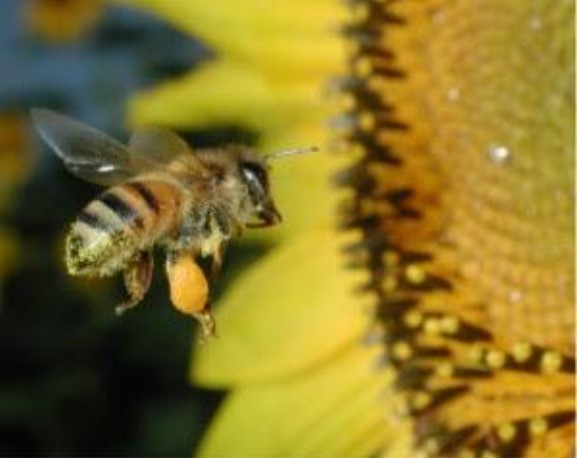
- Normal orientation flights during daylight hours
Entrance Too Small Indicators
- Bees clustering or backing up at the entrance (traffic jam)
- Delayed forager entry or exit
- Aggressive behavior caused by congestion
Entrance Too Large Indicators
- Difficulty defending against intruders
- Increased robbing pressure
- Excessive heat loss during cooler periods
Integration with Thermal Management
Thermal Efficiency Considerations
The entrance system works in coordination with the hive's insulation:
- Reduced openings support heat retention during buildup
- Larger openings support airflow in strong colonies
- Flexible adjustment allows fine-tuning without disrupting internal stability
Ventilation Balance
Entrance reducers are not ventilation substitutes.
- Do not rely on entrance size alone to manage heat or moisture
- Internal airflow and hive configuration must remain unobstructed
- Adjust entrances to complement—not replace—natural thermoregulation
Troubleshooting Entrance Issues
Entrance Congestion
- Increase entrance size gradually
- Observe traffic patterns after adjustments
- Temporarily open fully during peak flow if needed
- Remove entrance reducers completely if traffic jam persists
Robbing Problems
- Reduce entrance immediately
- Position opening for easier defense
- Monitor vulnerable colonies closely
- Temporarily close the entrance only if absolutely necessary
Ventilation Problems
- Increase entrance size where appropriate
- Check for condensation or excess moisture
- Balance airflow with thermal needs
Winter Access Issues
- Maintain a minimum opening at all times
- Clear ice and snow regularly
- Ensure bees can exit for cleansing flights
Advanced Entrance Strategies
Seasonal Transition Planning
- Make gradual adjustments during seasonal changes
- Avoid sudden entrance size shifts
- Monitor colony response after each change
Colony-Specific Customization
- Adjust entrance size based on individual colony behavior
- Consider location-specific conditions such as wind, sun exposure, and forage
- Modify configurations to match management goals
Hive Transport Considerations
Entrance reducers may be used to fully close the hive temporarily during transport.
When transporting a hive:
- Close the entrance using entrance reducers (flip to closed position)
- Remove the varroa tray from the bottom - critical to prevent overheating by providing ventilation area
- Strap the hive securely
- Minimize transport time, especially in warm weather
- Reopen the entrance immediately after placement
Without removing the varroa tray, a fully closed hive could potentially overheat, especially on long trips or state-to-state moves.
Full entrance closure should be temporary only.
Integration with Feeding
Critical feeding hole warning:
Never feed with the screen in place. The circular screen that comes with your Primal Bee hive goes in the feeder hole and is only meant to temporarily prevent bees from entering the feeding chamber while you're preparing syrup or changing jars. The screen must be removed when the feeding jar is in place, or bees cannot access the holes in the feeder jar.
When feeding:
- Coordinate entrance reduction during feeding to limit robbing
- Ensure internal feeders remain accessible
- Monitor entrances closely when syrup is present
- Remove the circular screen from the feeding hole before placing the jar
The Bottom Line
The modular entrance system provides precise control over hive access while supporting the thermal efficiency that defines Primal Bee hives. Proper entrance management improves colony defense, supports internal climate stability, and allows colonies to respond naturally to seasonal and environmental changes.
Default approach: Use entrance reducers year-round as the standard configuration, removing them only when you observe traffic congestion that prevents smooth bee movement in and out of the hive.


