
Queen Excluder Usage - When & Why


Important: In the vast majority of cases, a queen excluder is not needed with Primal Bee hives.
Unlike standard wooden hives, the Primal Bee hive maintains a consistent temperature from the bottom of the nest to the top of the supers. In a standard hive, the queen follows the warm air bubble upward into the supers to lay eggs. In a Primal Bee hive, because the temperature is uniform throughout, the queen does not have that instinct to move up - she stays in the nest where brood rearing is already established.
From our extensive testing with thousands of PB hives across different climates and locations, the queen stays in the nest in nearly all cases. On very rare occasions, especially during peak colony strength, she may lay a few eggs in the central super frames. This is usually minor and easily managed by checking the middle frames during harvest.
Avoiding the excluder creates a better biological environment for the colony and minimizes unnecessary inspections. It also preserves the thermal continuity between the nest and supers, which is one of the key performance advantages of the Primal Bee system.
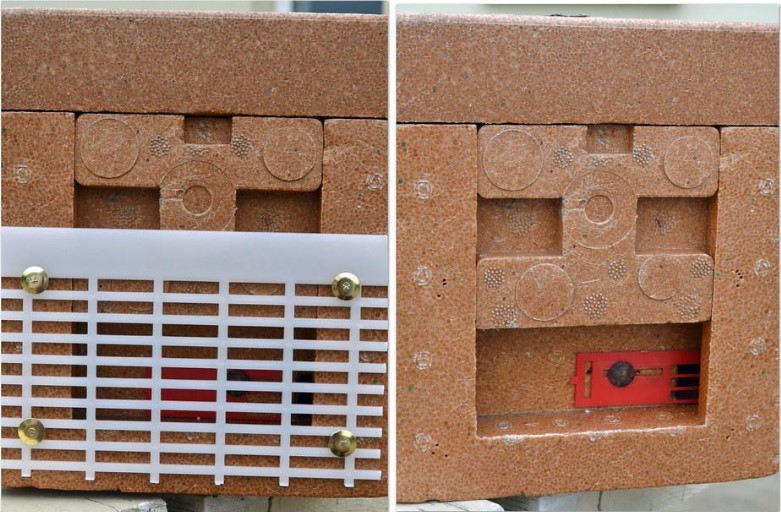
That said, the information below is provided for beekeepers whose management style or colony conditions make a queen excluder preferable. If you choose to use one, a standard plastic queen excluder can be trimmed to fit. Avoid metal excluders, as they interfere with thermal regulation. The hive has a dedicated space above the frames (a chamfer on the two longer inner sides of the top ring) designed to seat the excluder flush between the nest and supers.
Queen excluders can be valuable management tools, but they're not always necessary. Here's when and how to use queen excluders effectively with your Primal Bee hives.
Understanding Queen Excluders
What Queen Excluders Do
Basic function:
- Metal or plastic grid with precisely sized openings
- Worker bees pass through freely (4.2mm openings)
- Queens and drones cannot pass through (too large)
- Confines queen to specific areas of hive
Primary purposes:
- Brood control: Keep queen out of honey supers
- Clean honey: Prevent brood in honey storage areas
- Management control: Restrict queen to designated space
- Extraction efficiency: No need to check supers for brood
Types of Queen Excluders
Disclaimer - don’t use metal excluders in a PB hive. It can cause permanent damage to the EPS. Instead, use plastic excluders, which are safe on the structure and can be trimmed down to size.
Plastic excluders:
- Extruded plastic: One-piece construction
- Advantages: Lighter weight, no sharp edges, less expensive
- Disadvantages: Can break, may warp in heat
When to Use Queen Excluders
Situations Where Excluders Help
Problem queen management:
- Excessive brood in supers: Queen repeatedly moves up
- New queen behavior: Young queens often explore entire hive
- Genetic tendencies: Some queen lines prone to super laying
- Management consistency: Predictable honey frame location
Specific market requirements:
- Comb honey production: Clean, white comb essential
- Premium honey sales: Brood-free guarantee important
- Organic certification: Some programs require excluders
- Processing requirements: Extractors designed for brood-free frames
Primal Bee Considerations
Design advantages:
- Large nest area: Queen has extensive laying space (equivalent to 3 deeps)
- Continuous brood area: Natural queen movement patterns accommodated
- Thermal efficiency: May reduce need for excluder use
When excluders may be less necessary:
- Queens have adequate space in large nest area
- Natural tendency to stay in brood area due to thermal design
- Continuous frame design provides clear brood/honey separation
When NOT to Use Queen Excluders
Situations to Avoid Excluders
- New colonies: Queens often reluctant to cross excluders initially
- Building phase: Colonies need unrestricted development
- First season: Focus on establishment rather than production
Weak colonies:
- Small populations: May not have enough bees to work both sides
- Recovery situations: Rebuilding colonies need unrestricted access
- Poor conditions: Environmental stress combined with excluder stress
Natural management philosophy:
- Treatment-free beekeeping: Minimal intervention approaches
- Natural behavior: Allowing bees to organize space naturally
- Learning management: Understanding bee behavior without restrictions
Problems Excluders Can Create
Reduced honey production:
- Reluctant bees: Some colonies won't work supers above excluders
- Traffic restriction: Reduced movement between brood and honey areas
- Congestion: Bottlenecks at excluder during heavy flows
Queen issues:
- Trapped queens: Queen caught above excluder during installation
- Reduced laying: Some queens lay less when confined
- Supersedure pressure: Confined queens may trigger replacement
Management complications:
- Equipment complexity: Additional component to manage and clean
- Inspection difficulty: Harder to move frames between areas
- Maintenance requirements: Excluders need regular cleaning
Proper Installation and Use
Installing Queen Excluders
Timing for installation:
- Colony strength: Only use on colonies covering 6+ frames
- Season timing: Install just before major nectar flows
- Queen location: Verify queen is below excluder before closing
- Space adequacy: Ensure adequate room above and below excluder
Installation process:
- Locate queen: Find and verify queen position in nest area
- Place excluder: Position between nest and first super
- Check alignment: Ensure excluder sits flat with no gaps
- Add supers: Place honey supers above excluder
- Monitor acceptance: Check that bees are working above excluder
Managing Colonies with Excluders
Regular monitoring:
- Weekly checks: Verify queen remains below excluder
- Super progress: Ensure bees are working honey storage areas
- Traffic flow: Look for adequate bee movement through excluder
- Cleaning needs: Check for propolis buildup on excluder
Seasonal management:
- Installation: Place when supers first needed
- Maintenance: Clean propolis buildup monthly during season
- Removal timing: Remove before fall treatments or winter prep
- Storage: Clean and store properly for next season
Alternatives to Queen Excluders
Management Without Excluders
Natural queen behavior:
- Most queens: Prefer to lay in established brood comb
- Seasonal patterns: Queens typically don't move to new supers immediately
- Foundation preference: Queens avoid laying in new foundation initially
Active management techniques:
- Frame rotation: Move frames with eggs back to brood area
- Space timing: Add supers just before nectar flows
- Queen monitoring: Regular checks for queen location
- Selective extraction: Extract frames without brood as found
Modified Excluder Usage
Temporary installation:
- Short-term use: Install only during peak flows
- Seasonal removal: Take out during slower periods
- Selective application: Use on some hives but not others
Partial restriction:
- Excluder strips: Partial coverage allowing some queen movement
- Moveable excluders: Position based on current needs
- Custom solutions: Adapt to specific colony behaviors
Troubleshooting Excluder Problems
Bees Won't Work Above Excluder
Common causes:
- Installation too early: Colony not strong enough
- Weather conditions: Poor flying weather after installation
- Excluder quality: Some bees avoid certain excluder types
- Previous experience: Colonies may remember past excluder problems
Solutions:
- Remove temporarily: Allow natural super acceptance first
- Bait supers: Place frame of open honey above excluder
- Queen pheromone: Use lure to attract workers above excluder
- Weather timing: Install during strong nectar flows
Queen Found Above Excluder
How queens get above excluders:
- Installation error: Queen was above when excluder installed
- Damaged excluder: Gaps or bent sections allow passage
- During installation: Queen moved up during placement process
Immediate actions:
- Find and move queen: Locate queen and move below excluder
- Check for eggs: Look for recent eggs above excluder
- Inspect excluder: Verify no damage or gaps present
- Mark frames: Note any frames with brood above excluder
Excluder Maintenance Issues
Propolis buildup:
- Regular cleaning: Scrape propolis monthly during season
- Soaking method: Hot water and scraping for heavy buildup
- Replacement consideration: Heavily propolized excluders may need replacement
Physical damage:
- Bent sections: Carefully straighten damaged areas
- Broken pieces: Replace excluders with significant damage
- Wear patterns: Monitor for enlarging openings over time
Economic Considerations
Cost-Benefit Analysis
Excluder costs:
- Initial purchase: $15-30 per excluder depending on type
- Maintenance costs: Replacement and cleaning time
- Labor efficiency: Time saved in honey processing
- Quality premium: Higher prices for guaranteed clean honey
Production impacts:
- Potential reduction: 10-20% honey reduction possible
- Quality improvement: Premium pricing for clean honey
- Processing efficiency: Faster extraction without brood inspection
- Market access: Some markets require excluder use
When Investment Makes Sense
Large-scale operations:
- Processing efficiency: Labor savings offset production losses
- Quality consistency: Reliable product for bulk sales
- Crew training: Simplified procedures for workers
Premium markets:
- Quality requirements: Markets demanding brood-free honey
- Price premiums: Higher prices offset lower production
- Brand consistency: Reliable product quality
Hobby to sideline transition:
- Learning tool: Understand bee behavior and hive organization
- Production planning: Predictable honey location for planning
- Equipment investment: Part of scaling up operation
Regional and Seasonal Considerations
Climate Adaptations
Hot climates:
- Plastic excluders: May warp in extreme heat
- Ventilation: Ensure adequate airflow above excluder
- Seasonal removal: Take out during hottest periods
Cold climates:
- Thermal considerations: Excluders may affect heat retention
- Installation timing: Later installation due to shorter season
- Early removal: Remove before cluster formation
Flow-Specific Usage
Strong, short flows:
- Timing critical: Install just before flow begins
- Maximum efficiency: Clean honey essential during brief opportunity
- Removal after flow: Take out when flow ends
Extended, light flows:
- Less critical: Natural queen behavior may be adequate
- Flexibility: Can manage without excluders during light flows
- Cost-benefit: May not justify use during marginal flows
Remember: Queen excluders are tools, not requirements. Use them when they solve specific problems or improve efficiency, but don't use them just because you have them. Primal Bee's large nest area often reduces the need for excluders since queens have plenty of space to lay without moving into honey storage areas.
On this Page
- Understanding Queen Excluders
- What Queen Excluders Do
- Types of Queen Excluders
- When to Use Queen Excluders
- Situations Where Excluders Help
- Primal Bee Considerations
- When NOT to Use Queen Excluders
- Situations to Avoid Excluders
- Problems Excluders Can Create
- Proper Installation and Use
- Installing Queen Excluders
- Managing Colonies with Excluders
- Alternatives to Queen Excluders
- Management Without Excluders
- Modified Excluder Usage
- Troubleshooting Excluder Problems
- Bees Won't Work Above Excluder
- Queen Found Above Excluder
- Excluder Maintenance Issues
- Economic Considerations
- Cost-Benefit Analysis
- When Investment Makes Sense
- Regional and Seasonal Considerations
- Climate Adaptations
- Flow-Specific Usage


